
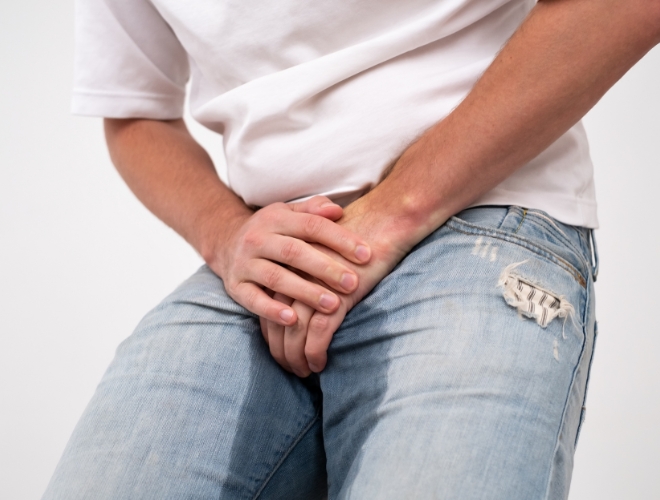
When everyday patterns start to change
Most men don’t think much about urination when everything feels normal.
It’s routine. It happens without effort. There’s no need to pay attention.
That’s why even small changes stand out, even if they don’t feel serious at first.
A slightly weaker flow. A need to go more often. Waking up at night when that wasn’t the case before.
Because these changes come on slowly, many adjust to them. It becomes something to manage rather than something to question.
But when a pattern begins, it’s worth understanding what the body is trying to signal.
Service Details
Urinary changes often start in simple ways.
The stream may not feel as strong. It may take a moment to begin. In some cases, there is a need to strain slightly.
Some men feel that the bladder does not empty fully. Even after passing urine, there is a sense of remaining fullness.
Frequency can increase. There may be more trips to the restroom during the day.
Night-time urination is also common. Waking up once may not feel unusual, but repeated interruptions can affect sleep.
Urgency can develop as well. The need to pass urine may come suddenly, without much warning.
These symptoms do not always appear together, and they may not be present every day.
That inconsistency is one reason they are often ignored.
Kidney stones are hard deposits that form from minerals in the urine.
Urine normally carries dissolved substances. When the balance changes, some of these substances can come together and form crystals.
Over time, these crystals can grow into small stones.
Some remain in the kidney without causing problems. Others move into the ureter, the tube that connects the kidney to the bladder.
It is this movement that usually causes pain.
There is no single cause.
In many men, the prostate plays a role. As it grows with age, it can press against the urethra and affect urine flow.
This is commonly seen in benign prostatic hyperplasia.
The bladder itself can also change. It may become more sensitive or less efficient in emptying.
Infections can cause sudden symptoms, especially burning or discomfort.
Kidney stones can also affect urination, sometimes with pain.
Conditions like diabetes can influence how the bladder functions.
Because there are several possible causes, symptoms need to be looked at in context.
Mild urinary changes are common.
Many men live with them without feeling the need for treatment.
If the symptoms are occasional and do not affect daily life, observation may be enough.
But even mild symptoms are useful signals. They show that something has changed.
Urinary problems become more important when they begin to affect routine.
Sleep disturbance is one of the first signs. Waking up multiple times at night can lead to fatigue.
Planning around restroom access can affect work, travel, and social situations.
A constant sense of urgency can create discomfort.
When these changes persist, it is worth getting checked.
Symptoms that should not be ignored
Some signs need immediate attention.
Pain while passing urine.
Blood in urine.
Fever along with urinary symptoms.
Sudden difficulty in passing urine.
These are not typical mild changes and should be evaluated without delay.
They do not always indicate a serious condition, but they should not be left unexplored.
The link to prostate health
In men, many urinary problems are linked to the prostate.
As the prostate enlarges, it can affect how urine flows.
This is why symptoms often increase with age.
But it is important not to assume that all urinary problems are due to the prostate.
Proper evaluation helps identify the actual cause.
How urinary problems are assessed
Assessment usually starts with a conversation.
The pattern of symptoms is important. When they began, how often they occur, and how they have changed over time.
A physical examination may be done.
A urine test can help identify infection.
Blood tests such as PSA may be advised in some cases.
Imaging may be used to look at the kidneys, bladder, and prostate.
The aim is to understand the cause rather than treat symptoms without clarity.
What can be done
Treatment depends on the cause and severity.
For mild symptoms, simple changes can help.
Reducing fluid intake before bedtime may reduce night-time urination.
Limiting caffeine and alcohol can help in some cases.
If symptoms are more noticeable, medication may be used.
Some medicines help relax the bladder or prostate. Others help reduce prostate size over time.
In more severe cases, procedures may be considered.
The approach is always based on what is needed, not on a fixed plan.
Why many men delay
Many men wait before seeking help.
Some feel the symptoms are not serious enough. Others assume it is just part of ageing.
There is also a tendency to adapt.
Over time, this delay can make symptoms more difficult to manage.
Early evaluation is usually simple and can provide clarity.
The effect on daily life
Urinary problems may seem minor at first, but they can affect quality of life.
Interrupted sleep can lead to fatigue.
Frequent urination can affect work and travel.
Over time, this can reduce comfort and confidence.
Addressing symptoms early helps maintain routine and ease.
When should you see a doctor?
It is worth getting evaluated if symptoms persist or worsen.
If there is pain, blood in urine, or fever, it should be checked without delay.
Even mild symptoms can be discussed during routine visits.
Understanding what is happening is the first step.
A simple way to look at it
Urinary problems are common.
Most causes are manageable.
The important part is not to ignore changes that continue over time.
A simple check can help understand the cause and guide what needs to be done.
FAQ's
Frequently AskedQuestions
1. What are common urinary problems in men and women?
Urinary problems can include frequent urination, difficulty passing urine, weak stream, urgency, or urinary incontinence. In men, bladder problems may also be linked to prostate issues, while urinary problems in women can be related to infections or hormonal changes.
2. What causes urinary problems?
Urinary problems can be caused by infections, prostate enlargement, overactive bladder, or urinary tract problems. Stress and anxiety can also affect bladder function. In some cases, conditions like urinary tract infection problems or nerve-related issues may be involved.
3. Can stress or anxiety cause urinary problems?
Yes, stress and anxiety can increase bladder sensitivity, leading to frequent urination or urgency. While not always the main cause, they can worsen existing urinary symptoms.
4. What are the symptoms of serious urinary issues?
Male urinary problems symptoms may include inability to pass urine, severe pain, blood in urine, or sudden urinary retention. These require immediate medical attention.
5. Can urinary problems affect sexual health?
Yes, in some cases, urinary problems can cause erectile dysfunction due to shared blood flow and nerve pathways. Addressing the underlying issue can help improve both conditions.
6. Which doctor should I consult for urinary problems?
For urinary problems, it’s best to consult a urologist. They specialize in diagnosing and treating urinary bladder problems, infections, and other urinary tract issues in both men and women.