
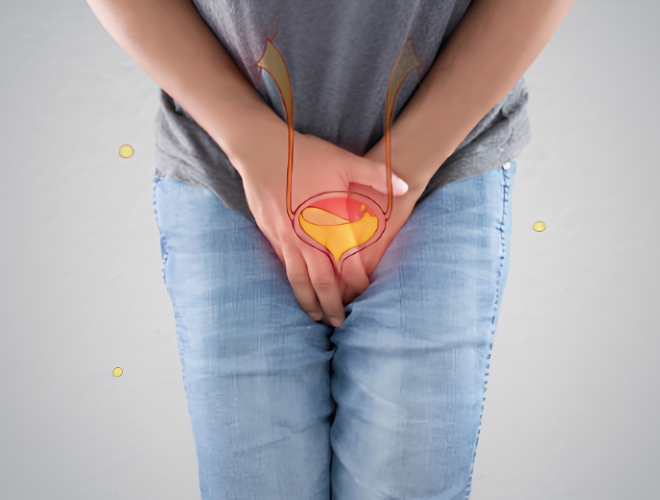
When something feels different
At first, the change may be small. The stream feels a bit weaker. It takes a moment longer to start. There may be a need to go more often than before.
Because these changes are gradual, they are easy to ignore.
Many adjust their routine without thinking much about it. But when the pattern continues, it is worth understanding what the body is trying to signal.
Service Details
Urinary symptoms often begin in simple ways.
A weaker flow is one of the first things men notice. The stream may not feel as strong or steady.
There may be hesitation at the start. It can take a few seconds before urine begins to flow.
Some men feel that the bladder does not empty fully. Even after passing urine, there is a sense that something is left behind.
Frequency can increase. There may be a need to pass urine more often during the day.
Night-time urination is another common concern. Waking up once may not feel unusual, but repeated interruptions can affect sleep.
Urgency can also develop. The need to urinate may come suddenly, with little time to wait.
These symptoms often appear together, but not always.
There is no single reason.
In many men, the prostate plays a role. As it enlarges with age, it can press on the urethra and affect urine flow.
This is commonly seen in conditions like benign prostatic hyperplasia.
The bladder also plays a part. If it becomes more sensitive, it can create a feeling of urgency or frequency.
Infections can cause sudden symptoms. These may include burning while passing urine, discomfort, or fever.
Stones in the urinary tract can also lead to pain or difficulty in passing urine.
In some cases, underlying conditions like diabetes can affect bladder function.
Because there are multiple possible causes, symptoms alone do not give the full answer.
Mild urinary changes are common, especially with age.
A slight change in flow or occasional night-time urination may not need treatment.
Many men adapt to these changes without any major impact on daily life.
At this stage, observation may be enough.
It is worth paying attention when symptoms become persistent or start affecting routine.
If sleep is disturbed regularly, or if there is a constant need to plan around restroom access, it can affect quality of life.
A sudden change in symptoms should not be ignored.
Pain while passing urine, blood in urine, or repeated infections need evaluation.
Difficulty in passing urine, or a feeling of complete blockage, needs prompt attention.
These symptoms do not always indicate a serious condition, but they should be checked.
In men, urinary symptoms are often linked to the prostate.
As the prostate grows, it can narrow the urethra. This affects how urine flows.
This is why urinary symptoms often increase with age.
But it is important not to assume the cause.
Not all urinary symptoms are due to prostate enlargement. That is why proper evaluation matters.
How are urinary symptoms assessed?
Assessment usually begins with a discussion.
The pattern of symptoms is important. When did they start? How often do they occur? Have they changed over time?
A physical examination may be done.
A urine test can help rule out infection.
In some cases, blood tests such as PSA may be advised to assess prostate activity.
Ultrasound or other tests may be used to check the bladder, kidneys, and prostate.
The aim is to understand the cause rather than treat symptoms alone.
What can be done?
The approach depends on the cause and severity.
For mild symptoms, simple changes can help.
Reducing fluid intake before bedtime may reduce night-time urination. Limiting caffeine and alcohol can also help in some cases.
If symptoms are more noticeable, medication may be used.
Some medicines help relax the bladder or prostate. Others work to reduce prostate size over time.
If symptoms are severe or do not improve, procedures may be considered.
These are usually aimed at improving urine flow.
Why many men delay getting checked
Many men wait before seeking help.
Some assume it is a normal part of ageing. Others feel the symptoms are not serious enough.
There is also a tendency to adapt. Planning around symptoms becomes easier than addressing them.
But early evaluation is often simple and can prevent symptoms from progressing.
The effect on daily life
Urinary symptoms may seem minor, but they can affect routine.
Interrupted sleep can lead to fatigue. Frequent restroom visits can affect work and travel.
Over time, this can impact comfort and confidence.
Addressing symptoms early can help maintain quality of life.
When should you see a doctor?
It is worth getting evaluated if symptoms persist or worsen.
If there is pain, blood in urine, or sudden difficulty in passing urine, it should be checked without delay.
Even mild symptoms can be discussed during routine visits.
Getting clarity early helps in choosing the right approach.
A simple way to look at it
Urinary symptoms are common, especially with age.
Most causes are manageable.
The key is not to ignore changes that continue over time.
A simple check can help understand what is happening and what, if anything, needs to be done.
FAQ's
Frequently Asked Questions
1. What are common urinary problems in men?
Common urination problems in men include frequent urination, weak urine flow, difficulty urinating, and a feeling of incomplete emptying. These are often grouped as lower urinary tract symptoms and should not be ignored if persistent.
2. What are the signs and symptoms of a urinary tract infection?
Urinary tract infection symptoms can include burning while passing urine, frequent urge to urinate, cloudy or foul-smelling urine, and sometimes fever. Male urinary tract infection symptoms may also include discomfort in the lower abdomen.
3. What does blood in urine in men indicate?
Blood in urine in men can be caused by infections, stones, or other conditions. It can also be one of the urinary bladder cancer symptoms, so it is important to get it evaluated without delay.
4. What are the symptoms of urinary retention or blockage?
Urinary retention symptoms include difficulty starting urine, weak stream, or inability to pass urine. Urinary tract blockage symptoms may also cause pain or swelling and need immediate attention.
5. How do urinary stones affect symptoms?
Urinary tract stones symptoms may include severe pain, burning sensation, blood in urine, and difficulty urinating. The symptoms can vary depending on the size and location of the stone.
6. When should I see a doctor for urinary symptoms?
If you notice frequent urination, weak flow, pain, incontinence, or any unusual urinary symptoms, it’s best to consult a specialist early. Timely evaluation helps prevent complications and ensures proper treatment.